Why Most LinkedIn Outreach Fails (And What Actually Works Today)
Discover why most LinkedIn outreach messages fail and what actually works today. This in-depth guide explains modern, human-led LinkedIn outreach strategies for consultants, B2B founders, and sales teams who want real conversations, not ignored messages.
LINKEDIN OUTREACHLINKEDIN LEAD GENERATION

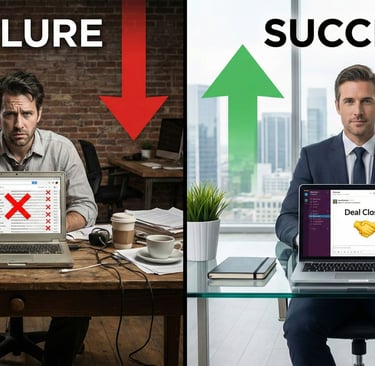
LinkedIn outreach draws mixed reviews. Some professionals say it no longer works, yet consultants, founders, and B2B sales teams consistently generate conversations and opportunities. This contradiction comes down to approach. Most outreach fails not because LinkedIn is ineffective but because outdated tactics are still used.
Over the years, I’ve reviewed many outreach attempts. Common patterns emerge: generic messages, rushed pitches, poor relevance, and unrealistic expectations. This article explains why LinkedIn outreach often fails, what data and practitioner insights reveal, and what actually works for professionals who treat LinkedIn as a relationship‑driven channel rather than a numbers game.
The core reason most outreach fails
Most messages are written from the sender’s point of view instead of the recipient’s. They focus on:
What the sender sells
What the sender wants
Why the sender thinks their offer is unique
Very few messages focus on:
The recipient’s current priorities
Their professional context
Whether the timing makes sense
When a message feels self‑centred, it gets ignored. Automation tools amplify this problem by prioritizing quantity over quality and removing the context that makes LinkedIn conversations work.
Why template‑based outreach no longer works
LinkedIn inboxes used to be quieter; even simple messages received replies because there was less competition. Today, the platform is crowded, and professionals are selective. A social media trends report from Sendible notes that in an oversaturated landscape, users are becoming selective and engage only with fewer, high‑quality posts sendible.com. The report explains that people are overwhelmed by the volume and spend less time scrolling, instead looking for value sendible.com. As a result, generic templates, no matter how lightly customised, are easy to spot and trigger scepticism. Social Media Examiner’s networking guide recommends tailoring connection requests based on how well you know someone and even suggests waiting a week or two before reaching out socialmediaexaminer.com.
The psychology behind ignored messages
People ignore LinkedIn messages for emotional reasons. Typical reactions include:
“This feels generic.”
“They didn’t look at my profile.”
“This is going to turn into a pitch.”
These impressions happen in seconds. Short, simple messages feel low‑pressure and leave room for curiosity. Long messages that explain everything up front often feel like obligations. Professionals are not opposed to being contacted; they are opposed to being sold to before trust exists.
Outreach still works when done correctly
Outreach isn’t broken. Poor execution is. LinkedIn Marketing Solutions reports that 89 percent of B2B marketers use LinkedIn for lead generation, and 62 percent say it generates leads business.linkedin.com. LinkedIn’s value lies in its professional data, business context, and news‑feed design tailored for thought leadership business.linkedin.com. In other words, the platform still works when relevance and personalisation are prioritised.
What successful outreach looks like today
Outreach that works tends to share three qualities.
It sounds human. High‑performing messages read like something a real person wrote quickly. They avoid buzzwords and don’t try to explain everything at once.
It respects context. Good outreach acknowledges the recipient’s role, industry, and likely challenges. Even one relevant detail can change how a message lands. Social Media Examiner stresses that personalised connection requests based on how you know the person outperform generic invites socialmediaexaminer.com.
It leads with curiosity, not a pitch. A thoughtful question invites dialogue, while a detailed pitch creates pressure. Curiosity feels collaborative; pitching feels transactional.
A practical LinkedIn outreach framework
Professionals who succeed on LinkedIn tend to follow a simple process:
Connection request: Focus on connecting, not selling. Short, neutral messages work best, reference something specific, avoid pitching, and keep the tone natural. Some users skip a note entirely and still see good acceptance rates.
First message: Once connected, resist pitching. Thank the person for connecting and ask a relevant, low‑pressure question. This aligns with the practices Social Media Examiner recommends socialmediaexaminer.com.
Follow‑up: If there’s no reply, follow up once or twice with an insight, an observation, or a relevant perspective. Don’t send reminders or urgent demands. Commenter.ai’s outreach guide suggests waiting about a week before sending a follow‑up, keeping the message brief but impactful, and personalising each follow‑up commenter.ai. It warns that contacting prospects too many times without personalisation can harm your reputation commenter.ai.
Why timing matters
Timing is often overlooked. A message ignored today might be welcomed months later. Social Media Examiner advises engaging with someone’s posts for a week or two before sending a connection request socialmediaexaminer.com. Commenter.ai also stresses waiting about a week before your first follow‑up commenter.ai. People respond when the timing aligns with their priorities, not simply when a message arrives. LinkedIn outreach should be viewed as a long‑term conversation rather than a quick campaign.
Common mistakes to avoid
Avoid these pitfalls:
Over‑explaining in the first message
Pitching too early
Using vague compliments
Following up too aggressively
Neglecting your profile
Commenter.ai notes that lack of personalisation and excessive messaging are among the biggest errors outreach specialists make commenter.ai. People often check your profile before replying; if your headline or summary is unclear, the conversation may end quietly. Sprout Social’s LinkedIn brand guide says most users want educational content that builds trust sproutsocial.com, reinforcing that authenticity and value are essential.
Final thoughts
LinkedIn outreach hasn’t stopped working. Outdated outreach has. The professionals who succeed today write like humans, lead with curiosity, respect context, and allow conversations to develop naturally. When your approach aligns with how people actually want to communicate, LinkedIn remains one of the best places to start meaningful B2B conversations.
Contact
Ready to grow? Let’s start a real conversation.
© 2026 Growth On LinkedIn. Operated by John Paul. All rights reserved.
Your email stays private. Unsubscribe anytime.